
SolarEdge SE7K Modbus TCP

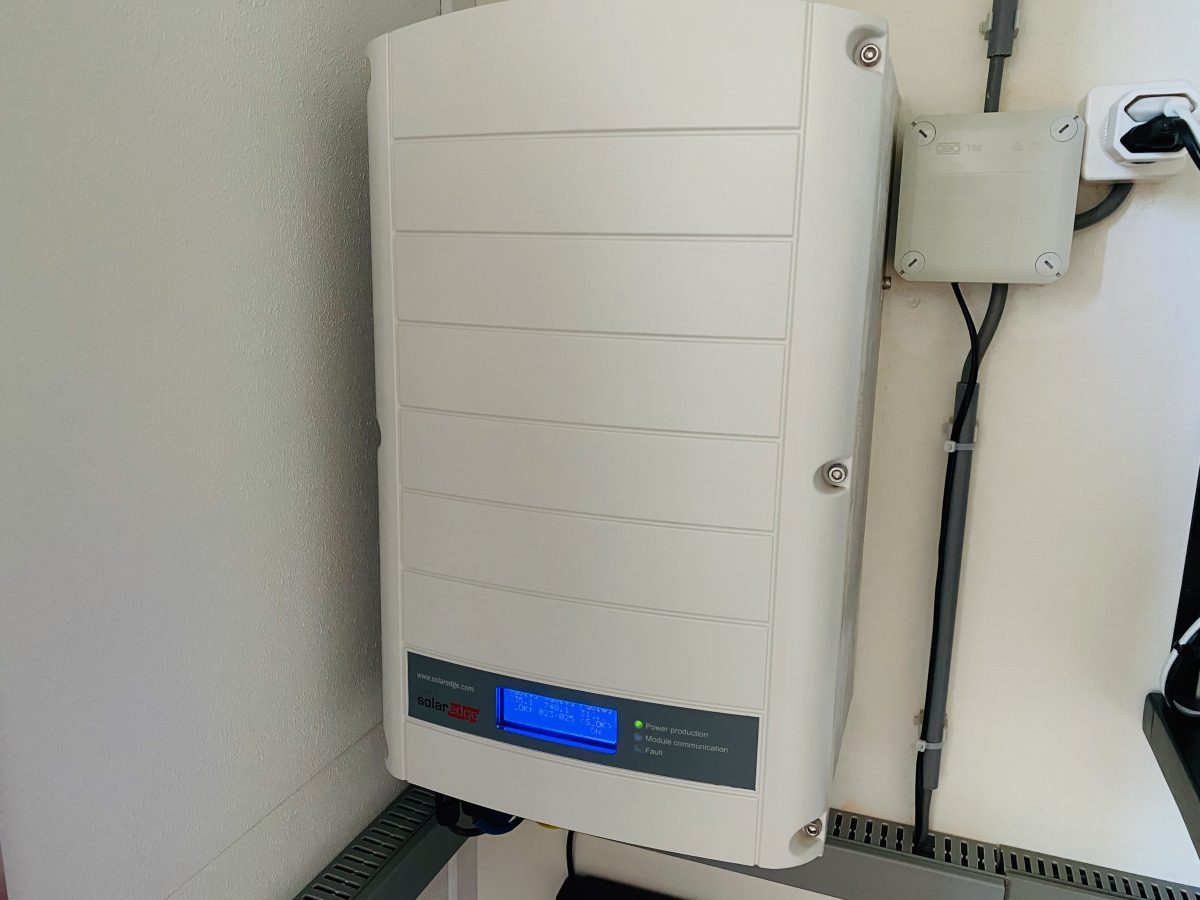
Ik wilde mijn oudere SolarEdge SE7K omvormer uit 2017 (de variant met LCD display) lokaal kunnen uitlezen en netjes softwarematig kunnen beperken bij negatieve stroomprijzen. De SolarEdge cloud/API werkt prima, maar ik wilde:

  • geen afhankelijkheid van internet/cloud
  • realtime lokale data
  • integratie met Node-RED
  • de omvormer automatisch kunnen curtailen bij negatieve prijzen

In eerste instantie ging ik er vanuit dat ik hiervoor de seriële RS485-poort moest aansluiten. Na wat verder onderzoek bleek echter dat deze oudere SE7K gewoon Modbus TCP ondersteunt via Ethernet. De netwerkkabel zat al aangesloten. Modbus TCP hoefde alleen nog aangezet te worden in het menu van de omvormer.

Continue reading “SolarEdge SE7K Modbus TCP”

Vue 3 TypeScript edition

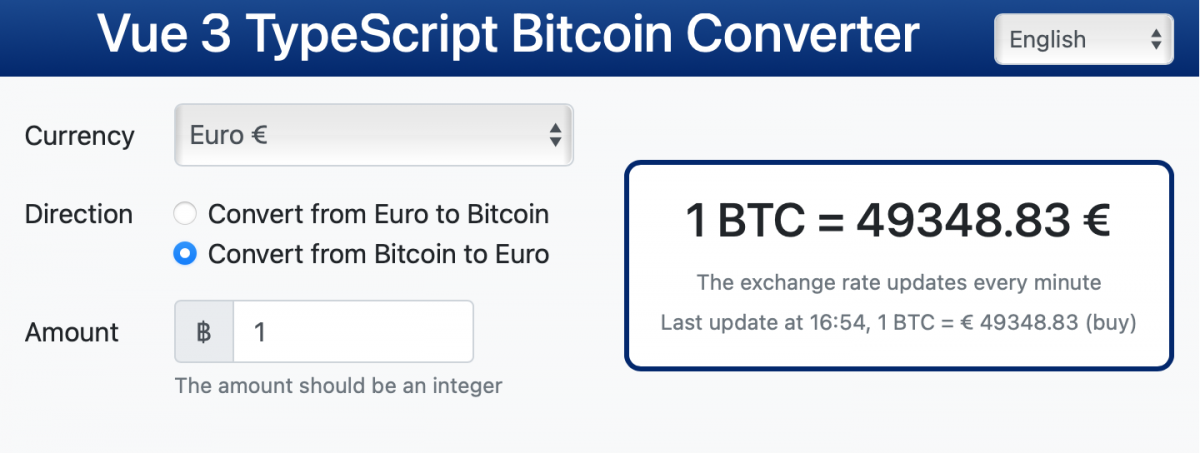
The biggest notable new features for Vue 3 are the Composition API  and full support for TypeScript. Overall Vue 3 is mostly backwards compatible. The only change I’ve found rewriting the Bitcoin Converter is that in 3.x, filters are removed and no longer supported. Instead, they can be replaced by a method call.

And there’s a new build tool in the Vue ecosystem called Vite. Its dev server is 10-100x faster than Vue CLI’s. We used Vite instead of Vue-CLI this time to scaffold the project and to start the dev server.

Continue reading “Vue 3 TypeScript edition”

Mutual Exclusion in Javascript

According to Wikipedia Mutual Exclusion means:

Mutual exclusion is a property of concurrency control, which is instituted for the purpose of preventing race conditions. It is the requirement that one thread of execution never enters its critical section at the same time that another concurrent thread of execution enters its own critical section.

Well in short it means execute only a part of the code by one thread at the same time.

Continue reading “Mutual Exclusion in Javascript”

Template Literals Templating

What are Template Literals?

Template literals are string literals allowing embedded expressions. You can use multi-line strings and string interpolation features with them. Template Literals are part of the ES6 specification.

Actually they even contain the basic requirements to use it as a templating language!

Continue reading “Template Literals Templating”

Vue.js; AngularJS done right! – part 2

Just started with Vue? Please read part 1 first. It’s a small introduction into the Vue framework.

In part one we have created our first application using Vue. Functionally that application is complete but it is lacking a nice architecture, it is not translated, it did not have any unit tests and we did not leverage the complete power of single file components and CLI tooling to scaffold the project.

Continue reading “Vue.js; AngularJS done right! – part 2”

Vue.js; AngularJS done right!

This post describes briefly my first impressions of working with the Vue frontend framework.

I have been using Vue for only a couple of days now and during these days I have created an example application (a bitcoin converter).

Before, I have created the same application using other frameworks like AngularJS and Backbone, so this makes a comparison between the use of different frameworks possible.

Continue reading “Vue.js; AngularJS done right!”

Run Jenkins Automation Server as Docker Image

Introduction

Even for my side projects it is convenient to have my personal automation server run. As far as I know, this type of server is also known as Continues Integration CI environment and I use those terms interchangeable. Beside being convenient, it is also fun and I might even learn something from it!

The most popular open source CI at this moment is Jenkins. So that is the one I am going to install.

Continue reading “Run Jenkins Automation Server as Docker Image”

JavaScript Callback of Promise

Als je nu https://www.facebook.com opent, zie je dat de pagina meteen laadt. Je eigen foto linksboven is zichtbaar, de zoekbalk bovenaan het scherm en het menu aan de linkerkant. In de seconden daarna verschijnen langzaam de berichten op de tijdlijn, niet allemaal, maar alleen in het gedeelte van het scherm dat zichtbaar is. Als je nu naar beneden scrolt, zie je dat ook de oudere berichten pas op dat moment geladen worden.

Facebook laadt deze onderdelen na elkaar om er voor te zorgen dat de pagina snel zichtbaar is. Als Facebook zou wachten met het tonen van de pagina totdat alle gegevens en berichten geladen zijn, zou het zeker een aantal seconden duren voordat de Facebook pagina zichtbaar is. En volgens studies is het zo dat hoe langer het duurt dat een website laadt, hoe meer gebruikers afhaken.

Continue reading “JavaScript Callback of Promise”